The Buildings Are Crumbling
I used to believe that the “safe route” was safe.
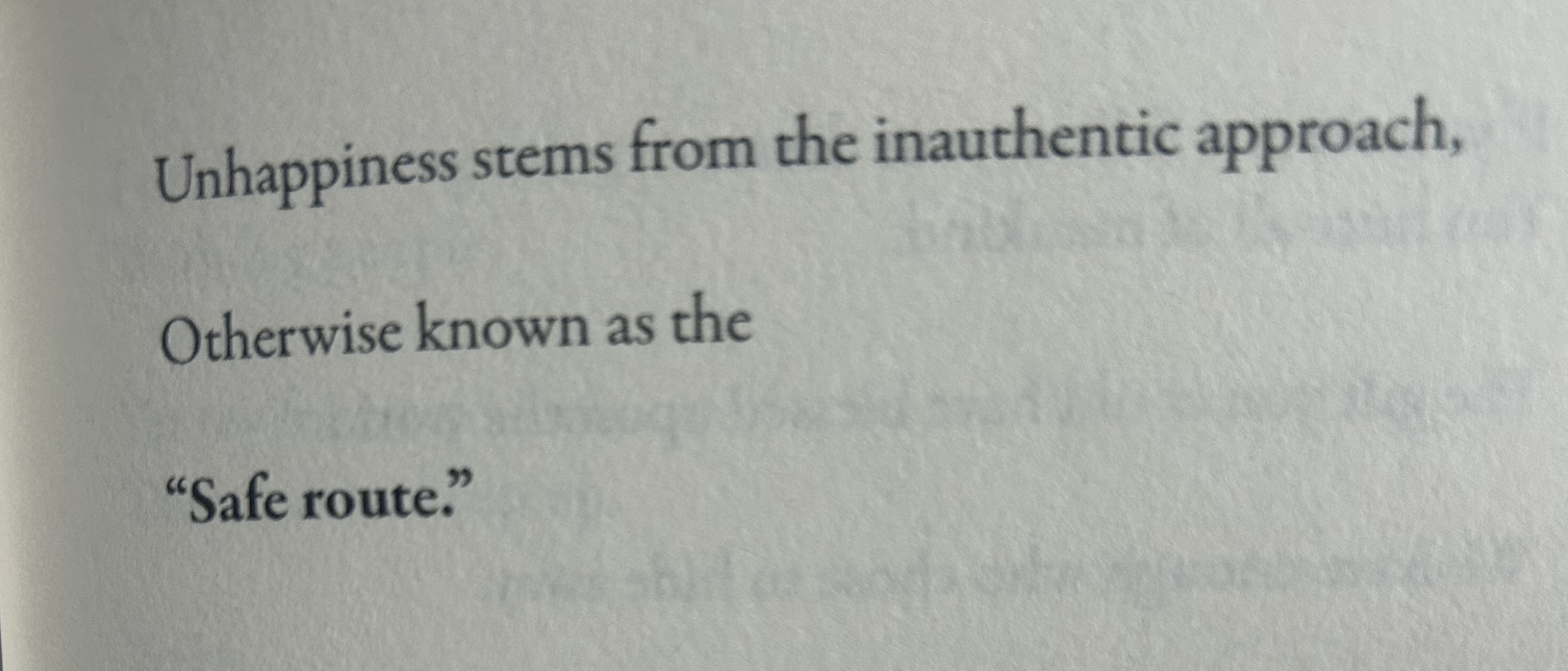
Years before I had the language I have now, a poem i wrote.
A respected university.
A prestigious address.
A serious investment.
An established professional.
A stable job.
A successful person.
I believed that if something had existed for a long time, attracted money, earned status, or impressed other people, then there must be something solid beneath it, the wizard behind the curtain was revealed, and disappointing.
Now those beliefs have shattered.
I have seen too many beautiful façades promising in a sirens call, joy, fulfillment, happiness, yet they were hiding failing structures.
My family has lived in some of the most exclusive neighborhoods internationally.
The neighborhoods, lifestyles, and people looked like what society believes success is.
The dark reality was that the building did not feel safe.
Basements have leaks. Electrical sockets came loose and fell from the walls. There has been black mold, which we had documented by a mold expert. On the surface everything looked great. When you have the responsibility of raising the next generation, they reveal much quicker the dangers and decay.
When.safety concerns have been expressed, we were not met with care or responsibility. We were harassed, dismissed, and blamed that our realizations created too much stress and was harmful. The situation was turned around on us, as though naming the danger had somehow created it. We wanted to collectively create a solution and were met with hostility.
The building was failing, but somehow we became the problem for noticing.
That experience deeply changed something in me.
It showed me how power can respond when reality threatens its carefully crafted self-image.
First, the problem is denied.
Then it is minimized.
Then responsibility is delayed.
Then the person who spoke swiftly becomes the new problem.
I have seen the same pattern in Europe & the USA.
Historic buildings. Beautiful façades. Established owners. Promises of repair.
And behind them: water, rot, potentially unsafe conditions, delays, excuses, and hostility toward the people expected to live or work inside the consequences.
Different country.
Same pattern.
I saw it in education too.
At a private university, I spoke up about the environment. I was asked to write a statement.
So I wrote it.
I described what I had seen and experienced as clearly as I could. Probably too clearly.
They quickly entered damage control mode. Which I was already familiar with the pattern because I had experienced the institutional reputational power moves to protect image at all costs at boarding school. The pattern typically involves some sort of prisoner’s dilemma style interrogation combined with the higher ranking authority figures feigning some shock at the behaviors and attempting false empathy to get you to shut up.
The institution seemed willing to hear a woman speak only as long as what she said remained manageable, or dismissible.
It wanted testimony without consequence.
Honesty without disruption.
A woman’s voice without the force or consequences of what she knew.
I experienced the same architecture in finance.
That story is for another day.
The people-building-institution-company-language appeared credible.
The opportunity felt “exclusive.”
They made questioning it feel socially inappropriate and unfathomable.
That is one of the oldest tricks of power.
Make the structure impressive enough that people become embarrassed to ask whether it is sound.
I began to understand façades. That they are not always made of stone.
Sometimes they are made of credentials.
Sometimes they are made of wealth.
Sometimes they are made of financial language, old names, private networks, titles, polished manners, and the quiet assumption that everyone important already believes.
But they all communicate the same thing:
Do not look too closely. Do not speak up. Do not question.
Building a business internationally exposed me to the same pattern from another angle.
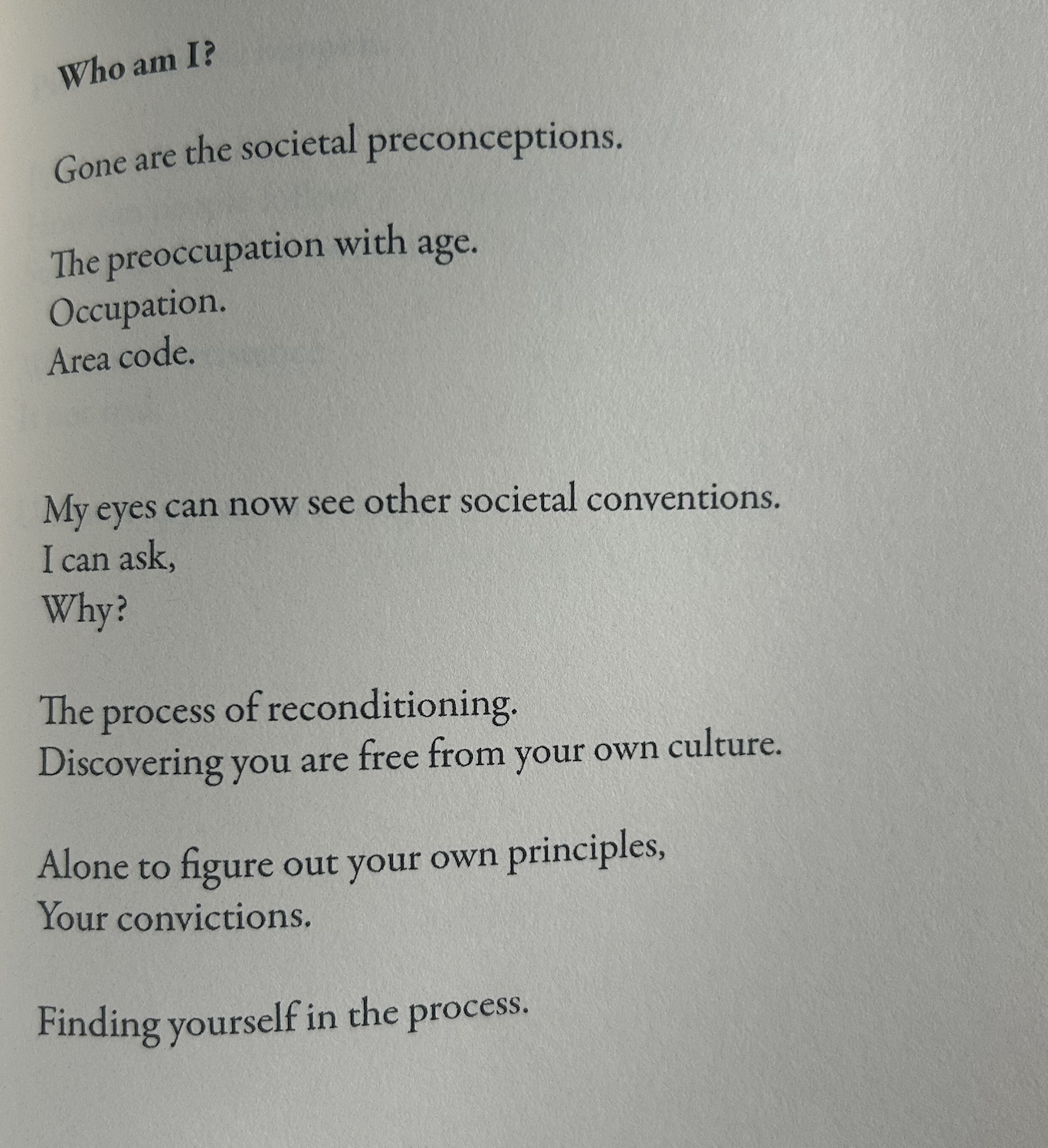
Business presents itself as rational, professional, and adult.
Often it ends up feeling like a high school cafeteria with better social masks.
When this is done in multiple cultures & countries the language is different, you do not have the same background, so you can see the patterns clearly.
There are still the right tables.
The right people.
The approved language.
The insiders who decide who is credible before they have even listened.
The punishments are more polished, but the social instincts are familiar.
You may participate, but only if you understand the price.
And the price is not always money.
Sometimes it is obedience.
Sometimes it is silence.
Sometimes it is allowing someone older, wealthier, or more established to define reality for you.
Sometimes it is accepting humiliation without answering back.
Sometimes it is pretending that something works when it does not.
Sometimes “you will pay” is not an exchange at all.
It is a threat.
You will pay for questioning me.
You will pay for embarrassing me.
You will pay for exposing what I neglected.
You will pay for refusing to remain grateful.
You will pay for believing the future might belong to someone other than me.
I paid.
Participating in the system often says younger people may only enter if we continue financing, flattering, and legitimizing those who already control the buildings, institutions, capital, and access.
We may rent the building, but we must not question the owner.
We may attend the university, but we must not threaten its reputation.
We may invest our money, but we must not ask questions that disturb the atmosphere of certainty.
We may enter business, but only if we accept that authority, credibility, and reality itself still belong to them.
These patterns have proven useful, because I can see where I do not want to participate.
Money is energetically and symbolically fascinating.
Money is not just a number.
It contains time.
Labor.
Sacrifice.
Attention.
Trust.
Imagination.
Human possibility.
When I pay for a home, I am entrusting someone with the conditions surrounding my family’s life.
When I pay a university, I am supporting an institution that claims it will educate and protect its students.
When I invest, I am directing part of my earned life toward a structure that promises stewardship and future value.
When I hire a professional, supplier, mover, adviser, or landlord, I am giving them a portion of my creative power.
That exchange should create responsibility.
But too often, the money moves upward while the responsibility moves downward.
We give them the fruits of our labor.
They return neglect.
We finance the building.
They allow it to rot.
We finance the institution.
It protects itself instead of the people inside it.
We finance the service.
When it fails, we are blamed for expecting it to work.
Then, after our resources have been absorbed, we may be harassed for asking what happened to them.
That is not healthy exchange.
It is extraction disguised as participation.
Where participation means paying more, expecting less, and keep funding the system that keeps needing more.
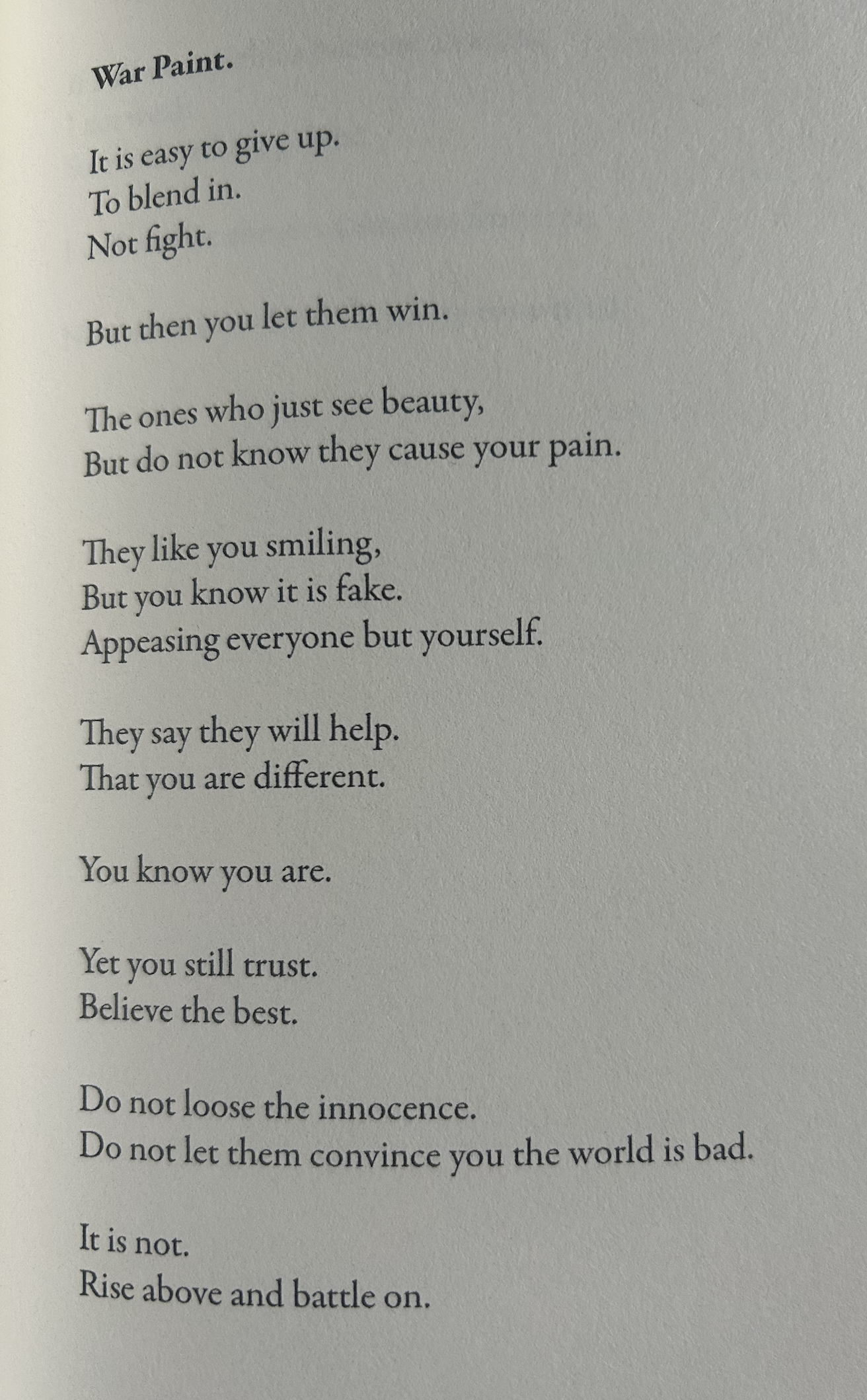
Seeing all of this made me want to give up. Can change occur? Is everyone like this?
It made me tired.
Every broken promise, hostile response, failed institution, and decaying structure seemed to repeat the same message:
“This is how the world works.”
Power protects itself.
Money flows upward.
Responsibility falls downward.
Those who name the problem are punished while those who created it remain protected by status, age, wealth, ownership, and reputation.
There were times when building anything new felt naïve.
Why create beauty when others would exploit it?
Why trust when trust could be used against you, and often was?
Why invest your money, imagination, and heart into a world that seemed determined to reward the people least willing to care for it?
The crumbling nearly convinced me to stop.
But then I understood something.
If everyone who can see the decay withdraws, only those comfortable with decay remain in control.
Despair does not punish the old system.
It protects it.
This is where my understanding of safety changed.
We are warned constantly about the danger of stepping outside the established path.
Less is said about the danger of remaining inside it while it collapses.
A job can look secure while consuming the person who performs it.
An institution can look permanent while losing its purpose.
A university can look prestigious while silencing the women inside it.
A fund can look sophisticated while nobody understands what is truly holding it together.
A building can retain its beautiful address while water enters the basement and mold spreads behind the walls.
Familiarity is not safety.
Social approval is not safety.
A salary is not always safety.
A title is not always safety.
Sometimes the greatest risk is continuing to give your life to a structure simply because everyone around you is still pretending it stands.
That realization changed the way I understood business.
I no longer wanted to create a company merely to gain a better seat inside the same system.
I did not want another table in the same cafeteria.
I wanted another room.
Perhaps even a door leading outside.
A business can be more than a vehicle for selling things, which is how commerce is currently expressed.
It can become an agreement about how value should move.
It can decide whether beauty conceals exploitation or reflects care.
Whether money accumulates without purpose or circulates toward life.
Whether customers are manipulated through insecurity or treated as participants.
Whether people are made smaller in order to belong, or strengthened through what they help sustain.
Every purchase supports something.
Every payment says:
Continue this work.
Preserve this craft.
Employ these people.
Protect this place.
Make more of this possible.
A different world is not built only by people who believe differently.
It is built by people willing to direct their money, labor, attention, and loyalty differently.
Admiration alone does not sustain an alternative.
Someone has to buy from the independent maker.
Someone has to commission the artist.
Someone has to read the book.
Someone has to support the craftsperson enough to keep the craft alive.
Someone has to choose the living business over the extractive one, even when the extractive one is cheaper, faster, and more familiar.
That is not merely consumption.
It is participation in deciding which future receives nourishment.
But the business must earn that support.
A philosophy cannot excuse poor work.
A mission cannot replace quality.
A beautiful story cannot justify exploitation behind the scenes.
To ask people to support a different system creates an obligation to build one.
The business must care for what it makes.
It must respect the people who help create it.
It must tell the truth.
It must receive money as entrusted creative power and return something worthy of that trust.
This is what I want to build.
Not a business that stands above community and extracts from it.
One that grows within community and becomes responsible to the life around it.
Not a business that sells people artificial status.
One that helps preserve beauty, craft, thought, independence, and a more human future.
Not a business built on humiliation.
Not a business that teaches women they must become cruel in order to become powerful.
Not another façade.
Something with a structure beneath it.
The buildings are crumbling.
For a long time, I thought that meant there was nowhere left to stand.
Now I see it differently.
The fact that something is failing does not mean nothing better can exist.
It means we must stop mistaking inheritance for destiny.
We do not have to preserve every institution simply because it is old.
We do not have to admire every person simply because they are powerful.
We do not have to continue financing structures that consume our creative energy and return neglect.
We can choose where our money goes.
Where our attention goes.
Where our labor goes.
Where our loyalty goes.
Where we create.
We can support those who repair, create, protect, teach, craft, nourish, and tell the truth.
We can build businesses that do not humiliate people.
We can create beauty that rests on care.
We can make homes that shelter life rather than merely display wealth.
We can form communities that do not require anyone to become smaller in order to belong.
The buildings are crumbling.
But that does not mean the future is empty.
It means there is room to build.
Not another empire that demands tribute while its foundations rot.
Something honest.
Something alive.
Something worthy of the people who will inherit it.
I nearly allowed the ruins to convince me that creation was pointless.
Instead, they taught me what must be created.
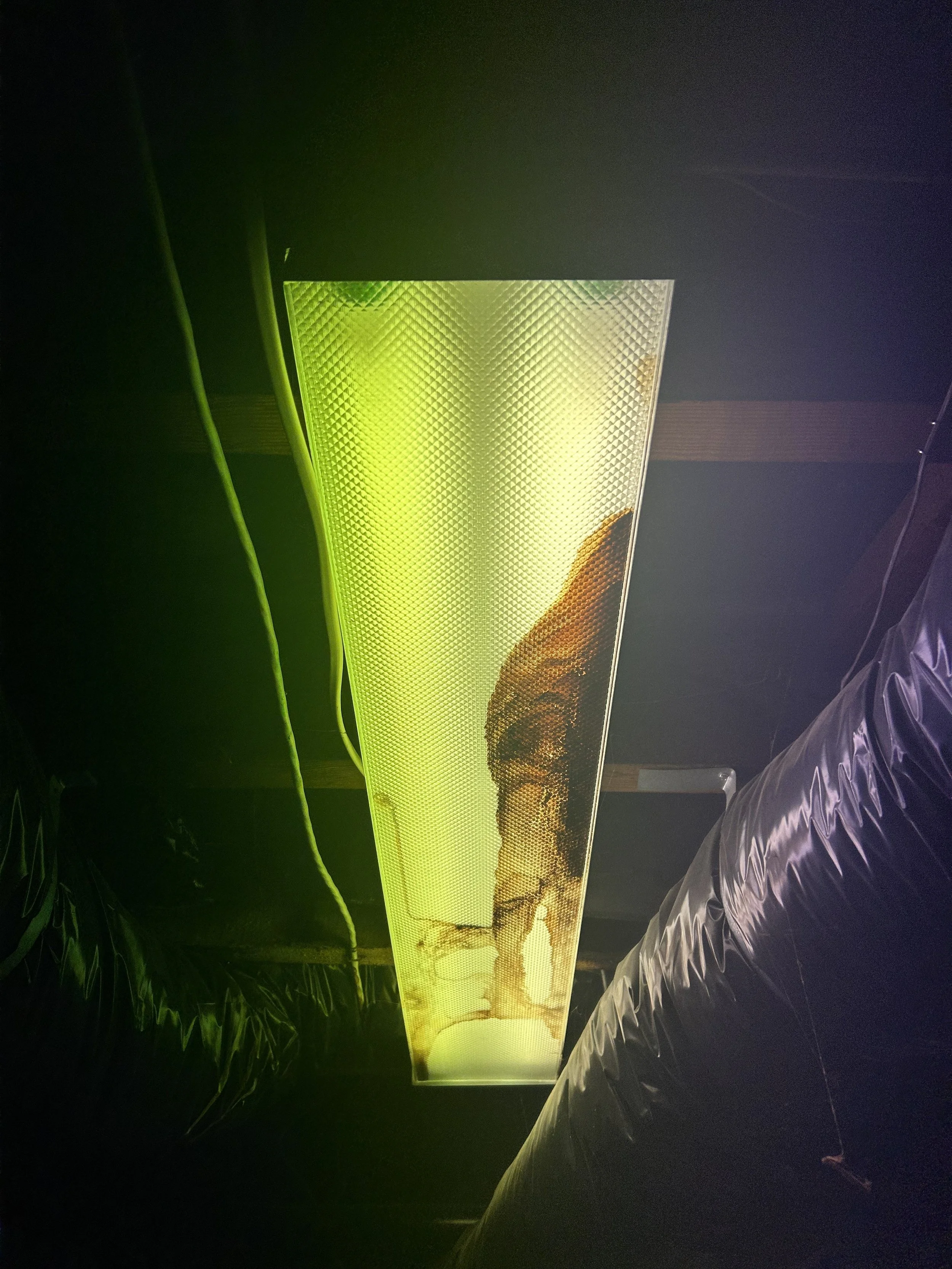
even the light felt trapped inside a structure that was failing around us.